Choosing and fitting a bicycle for a shorter or smaller adult rider, covering frame geometry, sizing methods and component swaps
Two bikes both marked small, and why only one of them fits you
What a women's-specific label actually changes on a bicycle, which measurements decide the fit, and what each correction costs once you own the bike.
A small from one brand can differ from another brand's small by several centimeters of reach and standover. The letter reflects a manufacturer's internal range, not an industry measurement.
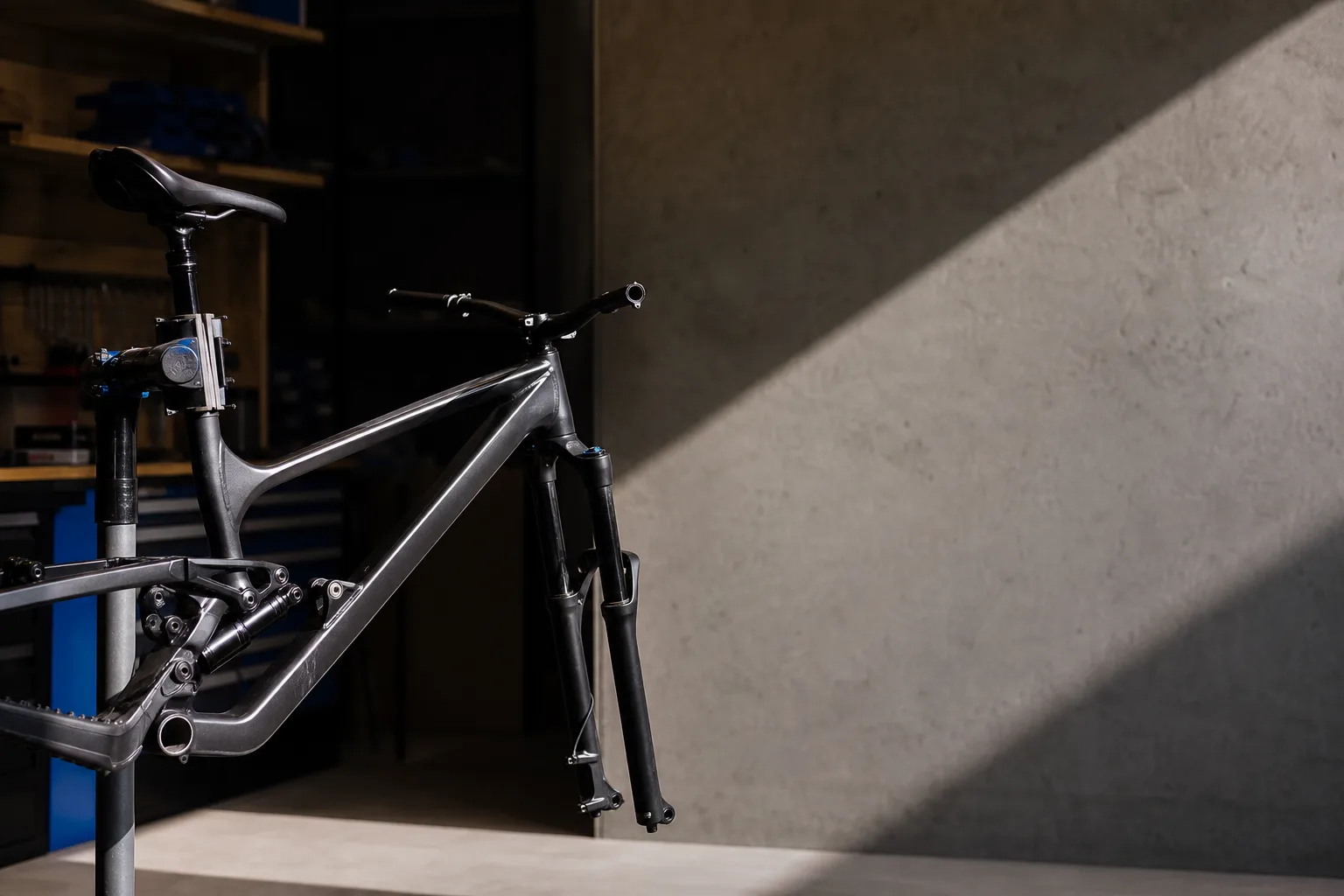
Effective top tube
This is the horizontal distance from the head tube to the seatpost, and it is the single number that predicts whether you will feel stretched out. Compare it directly between candidate bikes rather than trusting the size chart.
Common questions
Stack and reach
Measured from the bottom bracket, these two numbers describe the frame's height and length regardless of how steeply the top tube slopes. They are the cleanest way to compare frames with different silhouettes.
Standover clearance
You want clearance you can feel while straddling the frame in riding shoes, not a number that theoretically works. Confidence at stoplights depends on it more than anything else on the bike.
Bar width in centimeters
Narrower bars, typically 38 to 40 centimeters, put your shoulders in a neutral position and reduce wrist load. Measure center to center, since some brands quote outside to outside.
A size letter on a bicycle frame is a manufacturer's shorthand, not a measurement, and two frames both stamped small can put your hands four centimeters apart in reach and your crotch two centimeters apart in clearance. That gap is why shoppers who follow a size chart carefully still end up stretched out, tiptoeing at stops, or riding with their weight parked on their wrists. The label marked for women sits on top of this confusion and sometimes resolves it. Sometimes it only changes the paint and the saddle. The difference is measurable in a shop, in about ten minutes, with a tape.
The four numbers that decide whether a frame fits
Effective top tube length, the horizontal distance from the head tube to the seatpost, sets how far forward you reach. Stack and reach, measured from the bottom bracket, describe how tall and how long the front of the bike is independent of any sloping tube. Standover height determines whether you can straddle the frame flat-footed at a light. Seat tube angle governs where your hips sit relative to the pedals, which in turn changes how much of the reach number you actually feel. A frame that shortens the top tube by two centimeters and leaves everything else alone has genuinely changed the fit. A frame that lowers standover with a dropped top tube but keeps the same reach has changed how you get on, not how you sit.
What the women's label reliably changes, and what it does not
Across most catalogs, the consistent differences are contact points rather than tubing: a wider, shorter saddle with a center relief channel, handlebars in the 38 to 40 centimeter range instead of 42 or 44, brake levers with reach adjustment or a shorter body for smaller hands, and sometimes crank arms at 165 or 167.5 millimeters instead of 170 or 172.5. Those are real and they matter. Grip circumference, lever throw, and bar width change how confidently you brake in traffic more than a centimeter of top tube ever will. What varies wildly is whether the frame itself was redrawn. Some models share a mold with the unisex line and differ only in finish and parts spec.
None of this makes the labeled bikes worse. A well-assembled bike from a collection of Womens Bikes often arrives with the narrow bars, the softer saddle, and the shorter cranks already fitted, which is three purchases you do not have to make later. The point is to know which of those you are paying for in the frame and which sit in the parts bin, because parts can be swapped and frame geometry cannot.
What each correction actually costs after you buy
The cost of a wrong fit is not uniform, and that is the useful part. A saddle you dislike is the cheapest error in cycling: it comes off with one bolt, and shops that stock a demo saddle program will let you ride two or three before committing. Handlebars are a modest parts-and-labor job, an hour of shop time plus the bar, more on a bike with internal cable routing or hydraulic brakes that need bleeding after the hose is shortened. A shorter stem is cheap and takes minutes. Shorter crank arms cost real money, several hundred dollars on some drivetrains once the bottom bracket compatibility is worked out, and they are the swap most often deferred.
A frame that is too long is the one correction you cannot buy your way out of. You can pull the stem down to 50 or 60 millimeters and rotate the bars back, but past that the steering goes twitchy and the front wheel unloads under braking, and you have traded reach for handling you did not want to trade. Standover is similarly fixed. This is why the order of operations matters: get the frame right, then treat every contact point as adjustable, and budget two or three hundred dollars for the changes you will want in the first season regardless of what the bike came with.
How to check a frame in the shop in ten minutes
Ask for the geometry chart, which every serious manufacturer publishes, and compare effective top tube, stack, reach, standover, and seat tube angle between the two bikes you are considering, not the size letters. Straddle the frame in the shoes you ride in and look for clearance you can feel rather than clearance you have to hope for. Sit on the saddle at your rough height and see where your hands land: if your elbows lock to reach the hoods, the frame is long for you regardless of the sticker. Measure the bars center to center. Read the crank arm length, which is stamped on the inside of the arm near the pedal.
Bicycle construction and mechanical safety standards fall under the Consumer Product Safety Commission, which is responsible for the requirements a bike must meet before it is sold here, and that floor covers braking, assembly, and structural integrity rather than whether the machine suits your proportions. Fit stays with you and the shop. The tape measure settles it, and the numbers on the chart will tell you in five minutes what a size letter never could.